- Duration
- 5 days
- Difficulty
- Moderate
- Max altitude
- 11,811 ft
- Best season
- May–June & September–October
About this trek
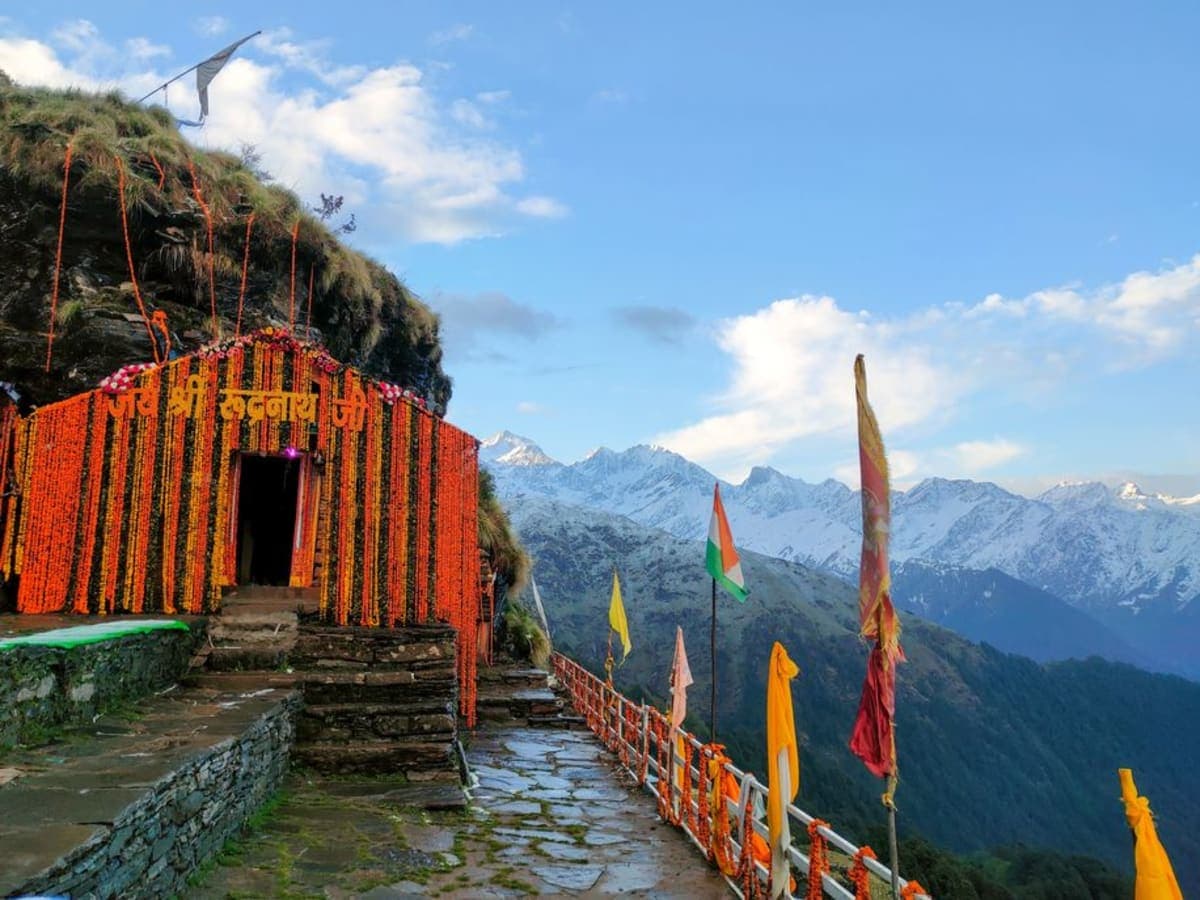
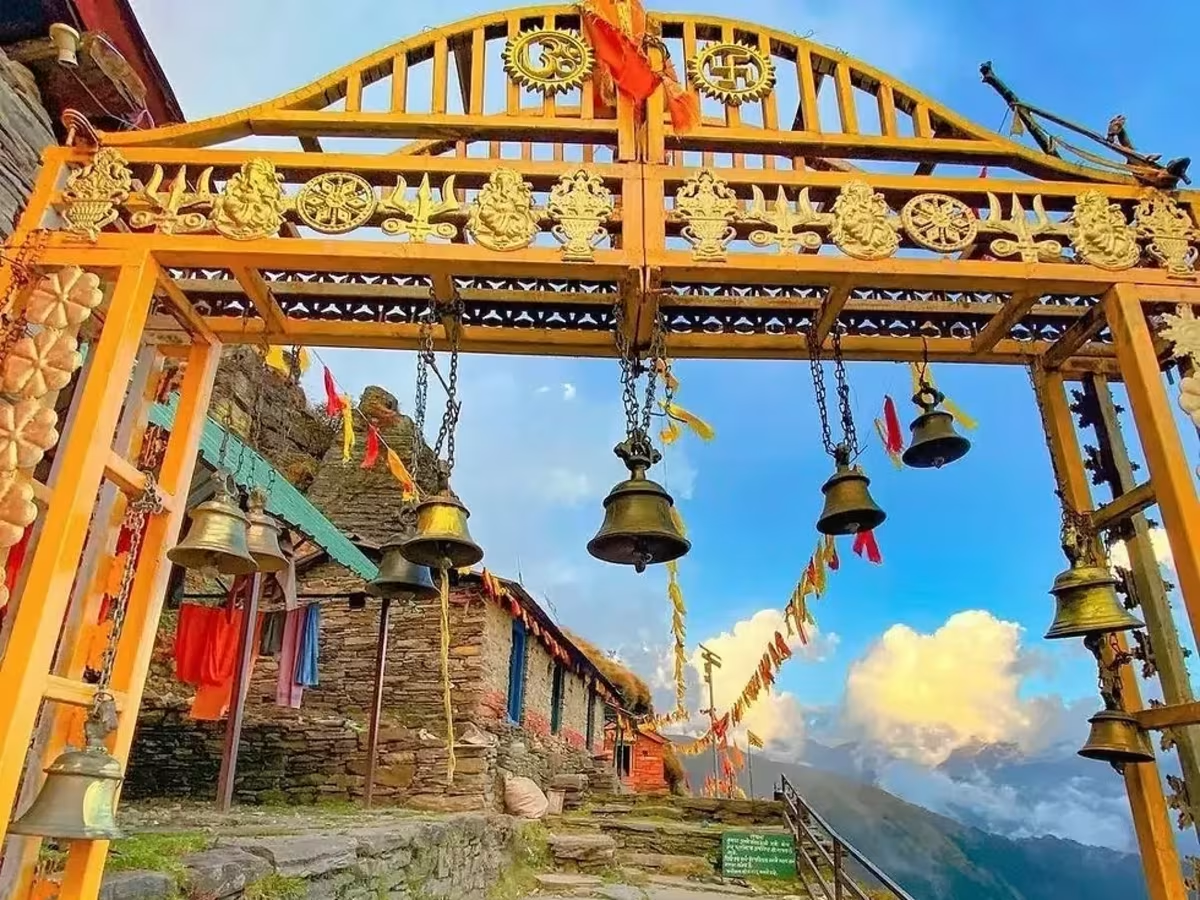
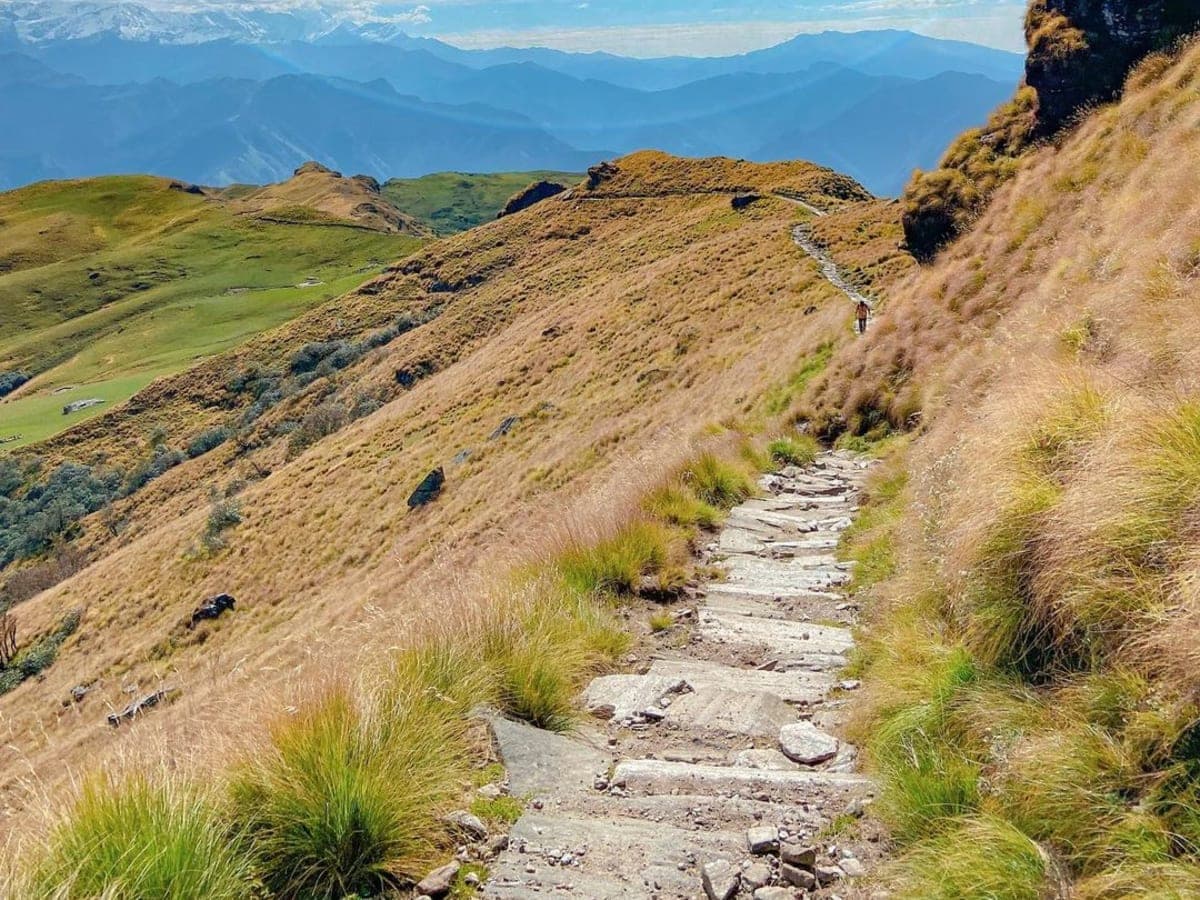
Rudranath–Kalpeshwar Trek is a spectacular pilgrimage and adventure trek in Uttarakhand's Garhwal Himalayas. Visit the sacred Panch Kedar temples of Rudranath and Kalpeshwar while trekking through lush forests, alpine meadows, panoramic mountain ridges, and the scenic Urgam Valley. Ideal for trekkers, photographers, and spiritual seekers, this journey offers a perfect combination of Himalayan adventure and divine serenity.
Highlights
- Visit the sacred Rudranath Temple (Fourth Panch Kedar.
- 🥾 Scenic trek through forests and alpine meadows.
- 🌿 Explore the beautiful Panar Bugyal.
- 🏔️ Enjoy panoramic views of Chaukhamba and Trishul peaks.
- 📸 Capture stunning Himalayan landscapes.
- 🕉️ Experience peace, spirituality, and adventure together.
Day-by-day itinerary
- 1
Day 1
Day 1: Rishikesh → Sagar Village
Drive Distance: 220 km Drive Time: 8–9 Hours Altitude: 2,000 m (6,562 ft) Your journey begins with a scenic drive from Rishikesh to Sagar Village via Devprayag, Rudraprayag, Karnaprayag, Chamoli, and Gopeshwar. Upon arrival, check in to your hotel, homestay, enjoy a freshly prepared dinner, and rest for the trek ahead. Meals: Dinner, Accomdation
- 2
Day 2
Day 2: Sagar Village → Lyuti Bugyal
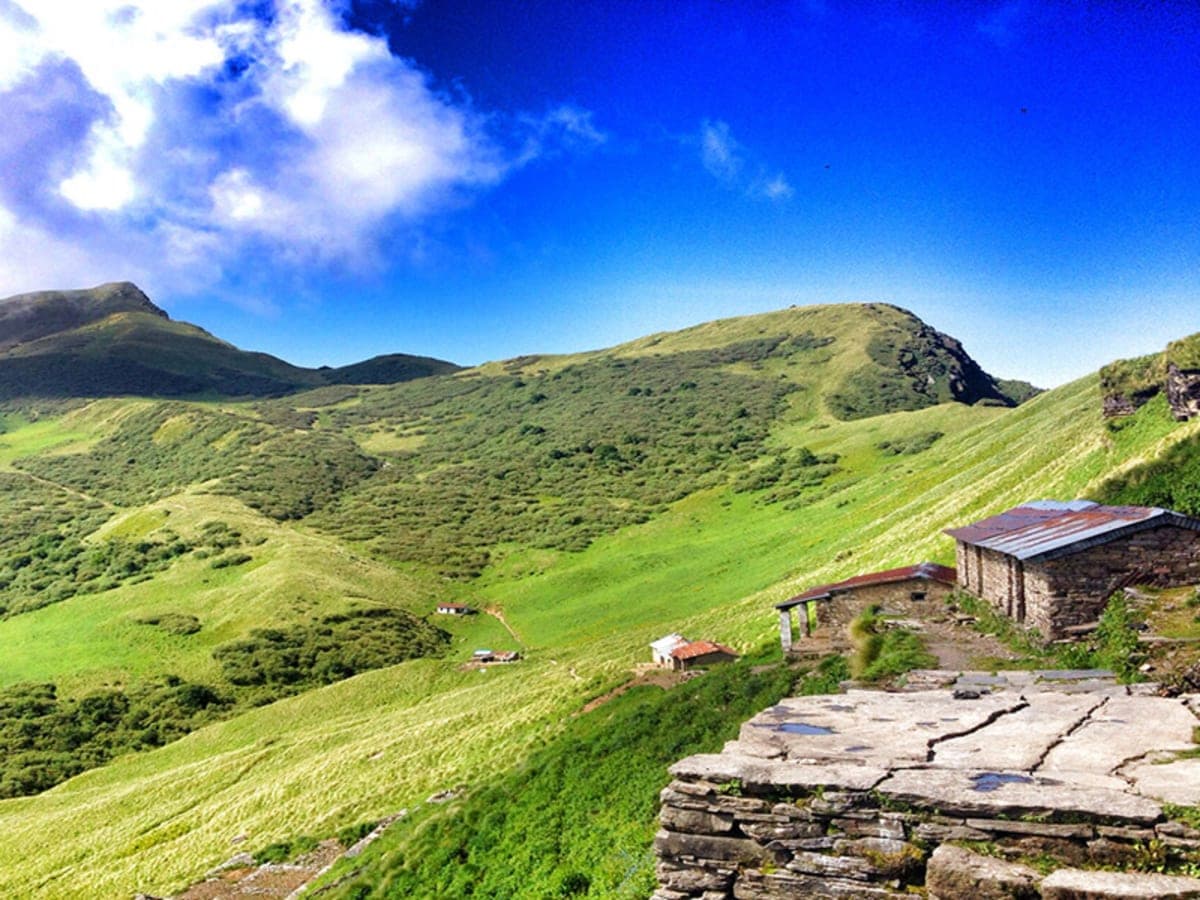
Trek Distance: 10–12 km Trek Duration: 6–7 Hours Altitude: Approx. 3,300 m (10,827 ft) After an early breakfast, begin your trek from Sagar Village through dense oak and rhododendron forests. Ascend gradually to the picturesque Lyuti Bugyal, a beautiful alpine meadow surrounded by majestic Himalayan peaks. Enjoy the peaceful surroundings and camp overnight under the stars. Meals: Breakfast & Dinner, tent, camp Trek through dense forests Scenic alpine meadows Panoramic Himalayan views Overnight camping at Lyuti Bugyal
- 3
Day 3
Day 3: Lyuti Bugyal → Rudranath Temple
Trek Distance: 8–10 km Trek Duration: 5–6 Hours Altitude: 3,600 m (11,811 ft) Stay: GMVN Guest House / Local Guest House (Rudranath) After breakfast, continue your trek via Pitradhar Ridge to the sacred Rudranath Temple, the fourth shrine of the Panch Kedar circuit. Seek the blessings of Lord Shiva and enjoy spectacular views of Chaukhamba, Trishul, Nanda Devi, and other Himalayan peaks. Overnight stay near Rudranath Temple. Meals: Breakfast & Dinner Stay-Camp
- 4
Day 4
Day 4: Rudranath → Sagar Village
Trek Distance: 18–20 km Trek Duration: 7–8 Hours Stay: Hotel/Homestay After an early breakfast, descend through Lyuti Bugyal and dense forests back to Sagar Village. Check in to your hotel or homestay and relax after completing the trek. Meals: Breakfast & Dinner
- 5
Day 5
Day 5: Sagar Village → Kalpeshwar Temple → Rishikesh
Drive Distance: Approx. 270 km Drive Time: 10–11 Hours After breakfast, drive to Helang and continue to Urgam Valley. From Urgam, take a short trek to Kalpeshwar Temple, the fifth and final Panch Kedar shrine, where Lord Shiva's sacred Jata (matted hair) is worshipped. After darshan, drive back to Rishikesh, marking the end of your unforgettable Himalayan pilgrimage. Meals: Breakfast
What’s included
Rishikesh to trek base & return transportation
Accommodation as per itinerary
Meals as mentioned in the itinerary
Experienced Trek Leader / Local Guide
Required forest & trek permits
Basic first-aid support
Driver allowance, toll, parking & fuel charges
What’s excluded
Personal expenses
Snacks, tea, coffee & mineral water
Porter / mule charges
Personal trekking gear
Emergency evacuation charges
Anything not mentioned in the inclusions
Best time to visit
When to plan this trek, and what the mountain is like then.
May – June | Summer
Pleasant weather, clear mountain views and comfortable trekking conditions make May and June ideal for the Rudranath Trek. The trails are surrounded by fresh greenery and blooming Himalayan landscapes.
September – October | Autumn
Post-monsoon skies bring crisp air, clearer views and beautiful landscapes. September and October are among the best months for a scenic and peaceful Rudranath experience.
July – August | Monsoon
The trail becomes lush and green, but rain can make the route slippery and challenging. Trekkers should be prepared for changing weather and wet trail conditions.
Fitness & preparation
What to be able to do before you join, and how to get there.
Recommended Fitness Level
Rudranath Trek is a moderate-to-challenging Himalayan trek that requires good stamina and basic physical fitness. Trekkers should be comfortable walking for several hours on uphill, downhill and uneven mountain trails. Prior trekking experience is helpful but not mandatory if you are physically prepared.
Walking & Endurance
Build your endurance with regular 5–8 km walks and gradually increase the distance. Include uphill and stair walking in your routine to prepare your legs for continuous ascents and descents. Focus on maintaining a steady pace rather than walking too fast.
Strength Training Content:
Include basic exercises such as squats, lunges, step-ups and calf raises to strengthen your legs. Light core exercises can also improve balance and stability on uneven trails. Begin with comfortable repetitions and gradually increase the intensity.
Cardio Preparation
Walking, jogging, cycling or stair climbing can help improve cardiovascular endurance. Aim for regular cardio sessions during the weeks leading up to the trek. Consistent preparation will make long trekking days more comfortable
Pre-Trek Preparation
Start preparing at least 3–4 weeks before the trek. Increase your walking distance gradually and avoid sudden, intense workouts just before departure. Get adequate sleep, eat balanced meals and stay well hydrated throughout your preparation
Acclimatisation
Rudranath involves trekking at high altitude, so acclimatisation is an important part of the journey. Maintain a comfortable pace, take regular breaks and stay hydrated. Follow your trek leader's instructions and allow your body enough time to adjust to the altitude.
Mental Preparation
Mountain trekking can be physically demanding and weather conditions may change quickly. Be prepared for long walking hours, steep sections and basic mountain accommodation. A positive mindset, patience and willingness to follow the trek team's guidance will make the experience more enjoyable
What to carry
Everything you’ll want with you, grouped by kind.
Clothing
- 2–3 quick-dry T-shirts
- 1–2 warm layers / fleece
- Lightweight down jacket
- Lightweight down jacket
- Trekking pants
- Thermal innerwear
- Warm socks
- Gloves and woollen cap
Footwear
- Good-quality trekking shoes with proper grip
- Comfortable walking socks
- Lightweight slippers for camp/stay
Backpack & Rain Protection
- 40–50 L trekking backpack
- Rain cover for backpack
- Waterproof bags / dry bags for clothes and electronics
- Small daypack, if required
Personal Essentials
- Water bottle / hydration pack
- Sunglasses
- Sunscreen and lip balm
- Headlamp with spare batteries
- Personal toiletries
- Quick-dry towel
- Walking stick / trekking pole
- Power bank
- Charging cable
- Small waterproof pouch for electronics
- Energy bars / dry fruits
Documents & Money
- Government-issued photo ID
- Required trek documents / booking details
- Some cash for personal expenses
- Emergency contact details
Medical & Personal Care
- Personal medicines
- Basic first-aid essentials
- ORS / electrolyte sachets
- Personal prescription medicines
- Hand sanitiser and tissues
Safety & emergencies
How this trek is run safely, and what happens if something goes wrong.
Experienced Trek Leader
An experienced trek leader will guide the group throughout the trek, manage the pace and provide guidance on trail conditions, weather and mountain safety.
First Aid & Basic Support
Basic first-aid support is available during the trek for common trekking-related issues such as minor injuries, fatigue and discomfort.
Altitude Awareness
Trekkers should maintain a steady pace, stay hydrated and take adequate rest. Any symptoms of altitude-related discomfort should be reported to the trek leader immediately.
Weather & Trail Safety
Mountain weather can change quickly. Follow the trek leader's instructions and avoid taking unnecessary risks during rain, strong winds, slippery trails or poor visibility.
Emergency Response
In case of an emergency, the trek team will assess the situation and coordinate the appropriate assistance based on the location, weather and available local support.
Trekking Safety Guidelines
Stay with the group, follow marked routes and trek leader instructions, carry essential personal medication and avoid trekking alone. Proper footwear and suitable clothing are recommended throughout the trek.
Weather right now
A live 5-day forecast, to read alongside the seasonal guidance above.
Cancellations
Cancellation terms and any deductions apply to every booking. Please read them before you pay.
Read the cancellation policyFrequently asked questions
The things people ask us most about this trek.
1. Do I need prior trekking experience for the Rudranath Trek?
No, prior trekking experience is not compulsory, but you should be comfortable with long uphill and downhill walks. Basic fitness and stamina are important.
2. What is the best time to visit Rudranath Temple?
The best time is generally May to June and September to October, when the weather is suitable for trekking and the route is accessible.
3. How difficult is the Rudranath Trek?
Rudranath is considered a moderate to difficult trek because of its long walking sections, steep ascents and descents, and high-altitude terrain.
4. How many days are required for the Rudranath Trek?
The trek can be completed in around 4–5 days, depending on the route and itinerary. Our package includes planned stays and transfers as mentioned in the itinerary.
5. What is the altitude of Rudranath Temple?
Rudranath Temple is located at approximately 11,800 ft (3,600 m) above sea level.
6. What kind of accommodation is provided during the trek?
Accommodation is generally provided in hotels, homestays, camps or basic mountain stays, depending on the location and availability.
7. What food is provided during the Rudranath Trek?
We provide simple vegetarian meals suitable for trekking, including meals as mentioned in the package inclusions. Food availability can vary at remote locations.
8. Is Rudranath Trek suitable for beginners?
Yes, beginners can join if they have good basic fitness and are prepared for long walking days. Regular walking or cardio practice before the trek is recommended.
9. What should I carry for the Rudranath Trek?
Carry good trekking shoes, warm clothes, rain protection, a backpack, water bottle, personal medicines, sunscreen, sunglasses and basic toiletries.
10. Is the Rudranath Trek open throughout the year?
No. The high-altitude route is seasonal and accessibility depends on weather, snowfall and local conditions. It is best to plan the trek during the recommended trekking season.
11. Is there mobile network on the Rudranath Trek?
Mobile connectivity can be limited or unavailable in remote sections of the trek. It is advisable to inform your family before entering the trek route.
12. Can senior citizens join the Rudranath Trek?
It depends on their fitness, stamina and previous trekking experience. Because of the demanding terrain and altitude, a medical/fitness assessment is advisable for older participants.
Request to Book
No dates are open for booking right now. Tell us when you'd like to go and we'll let you know the moment a Rudranath trek batch opens.
Other treks you might like
More routes we run, starting with others in Chamoli District, Uttarakhand.
 ModeratePopular
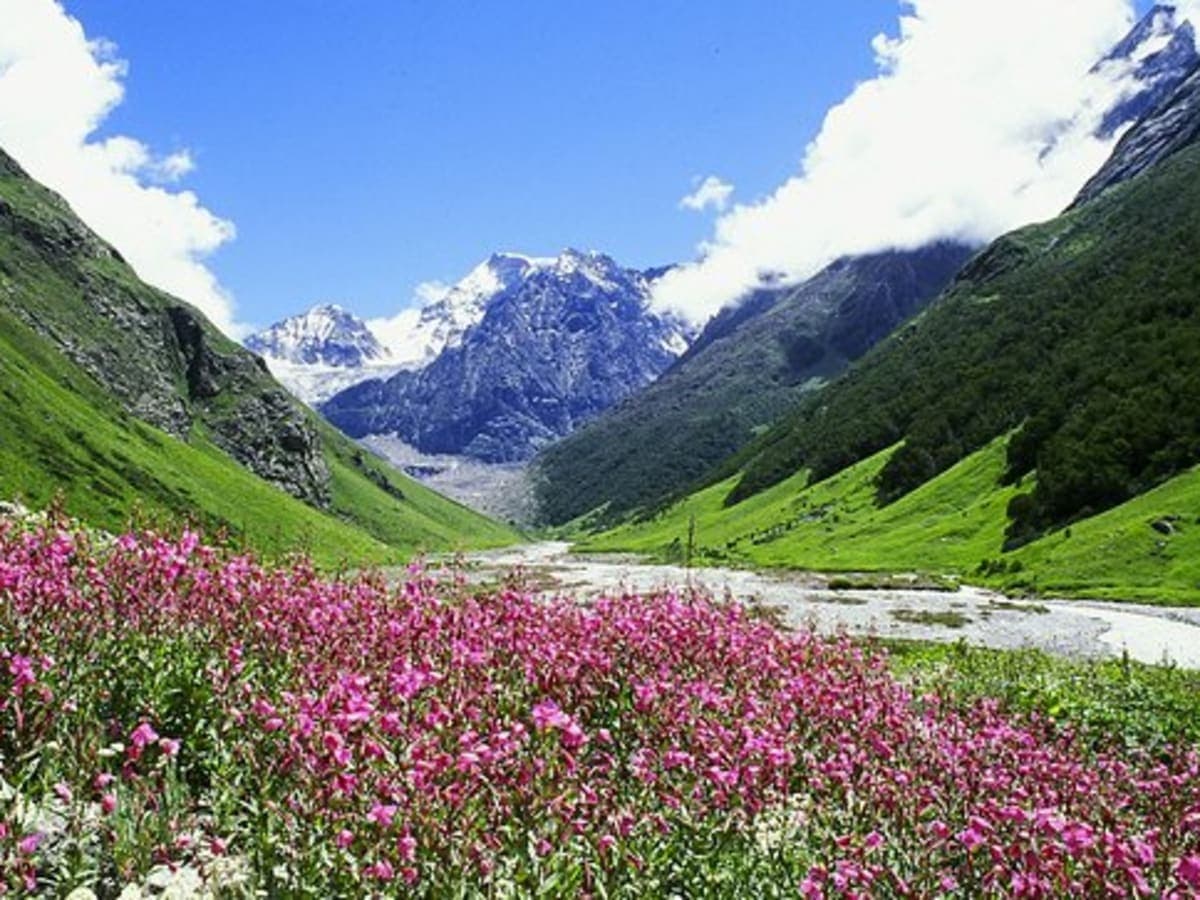
Valley of Flowers
Chamoli, Uttarakhand
The Valley of Flowers & Hemkund Sahib Trek is one of the most beautiful monsoon treks in the Indian Himalayas. Located in the Chamoli district of Uttarakhand, this UNESCO World Heritage Site is famous for its vibrant alpine flowers, breathtaking mountain landscapes, glaciers, waterfalls, and rare Himalayan wildlife. The trek also includes a visit to the sacred Hemkund Sahib Gurudwara, situated at an altitude of 4,329 meters (14,200 ft) beside a pristine glacial lake. This journey perfectly combines natural beauty, adventure, and spirituality.
- Duration
- 6 days
- Max altitude
- 14,100 ft
₹8,499per person
View details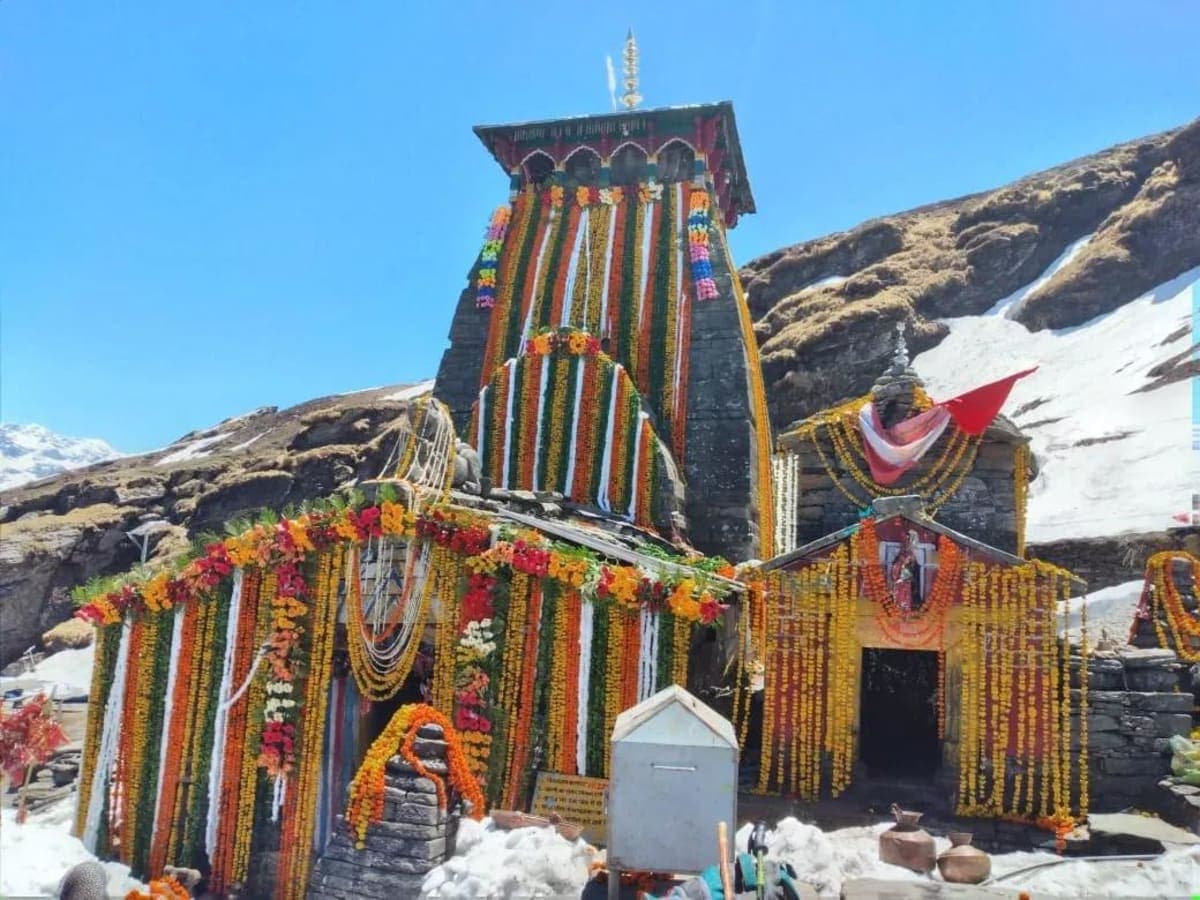 EasyPopular
Tungnath trek
Rudraprayag, Uttrakhand
The Tungnath Trek is one of the most popular short treks in Uttarakhand, starting from the beautiful hill station of Chopta. The trek leads to Tungnath Temple (3,680 m), the highest Shiva temple in the world, and can be extended to Chandrashila Summit (4,000 m) for breathtaking Himalayan views. The well-paved trail passes through lush forests, alpine meadows, and offers stunning views of peaks like Chaukhamba, Nanda Devi, Trishul, and Kedarnath. Suitable for beginners and experienced trekkers alike, this trek is a perfect blend of adventure, nature, and spirituality.
- Duration
- 3 days
- Max altitude
- 12,073 ft
₹6,999per person
View details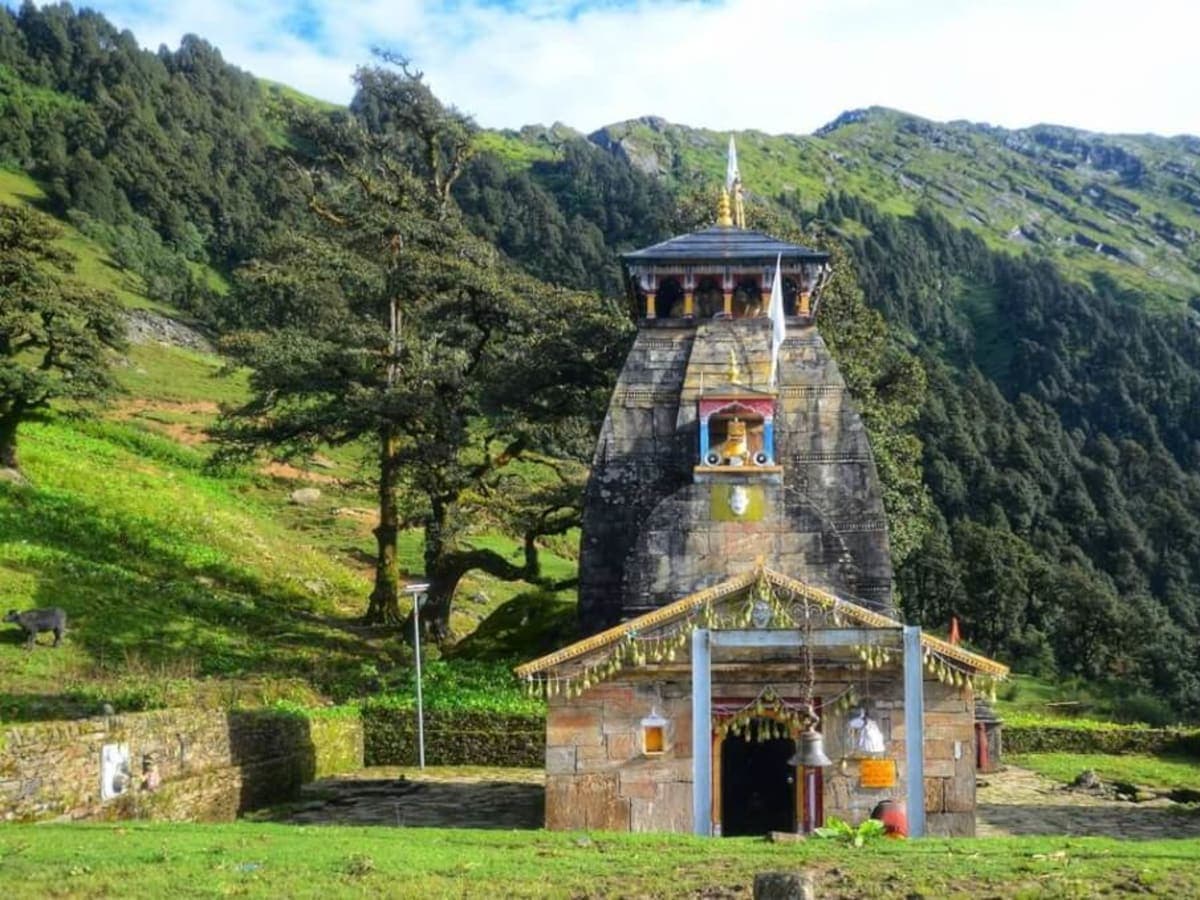 ModeratePopular
Madmaheswar trek
Rudraprayag District, Uttarakhand
The Madmaheshwar Trek is a peaceful Himalayan journey that takes you through traditional Garhwali villages, dense forests, waterfalls, and scenic meadows to the ancient Madmaheshwar Temple. From the temple and nearby Budha Madmaheshwar, trekkers enjoy spectacular views of Chaukhamba, Kedarnath, Neelkanth, and Mandani peaks. Ideal for pilgrims and nature lovers, this trek is one of the most beautiful spiritual treks in Uttarakhand.
- Duration
- 4 days
- Max altitude
- 10,791 ft
₹8,499per person
View details