- Duration
- 5 days
- Difficulty
- Easy
- Max altitude
- 12,500 ft
- Best season
- Dec – Apr
About this trek
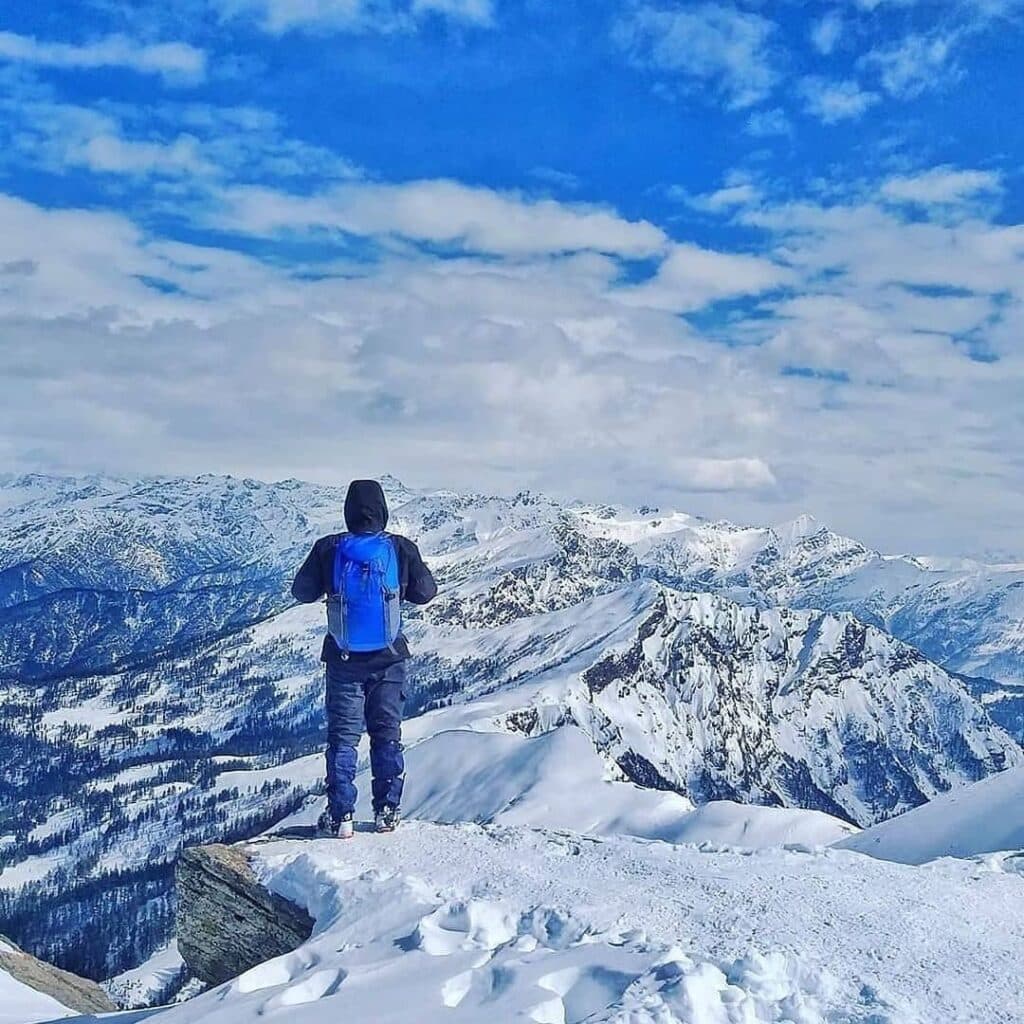
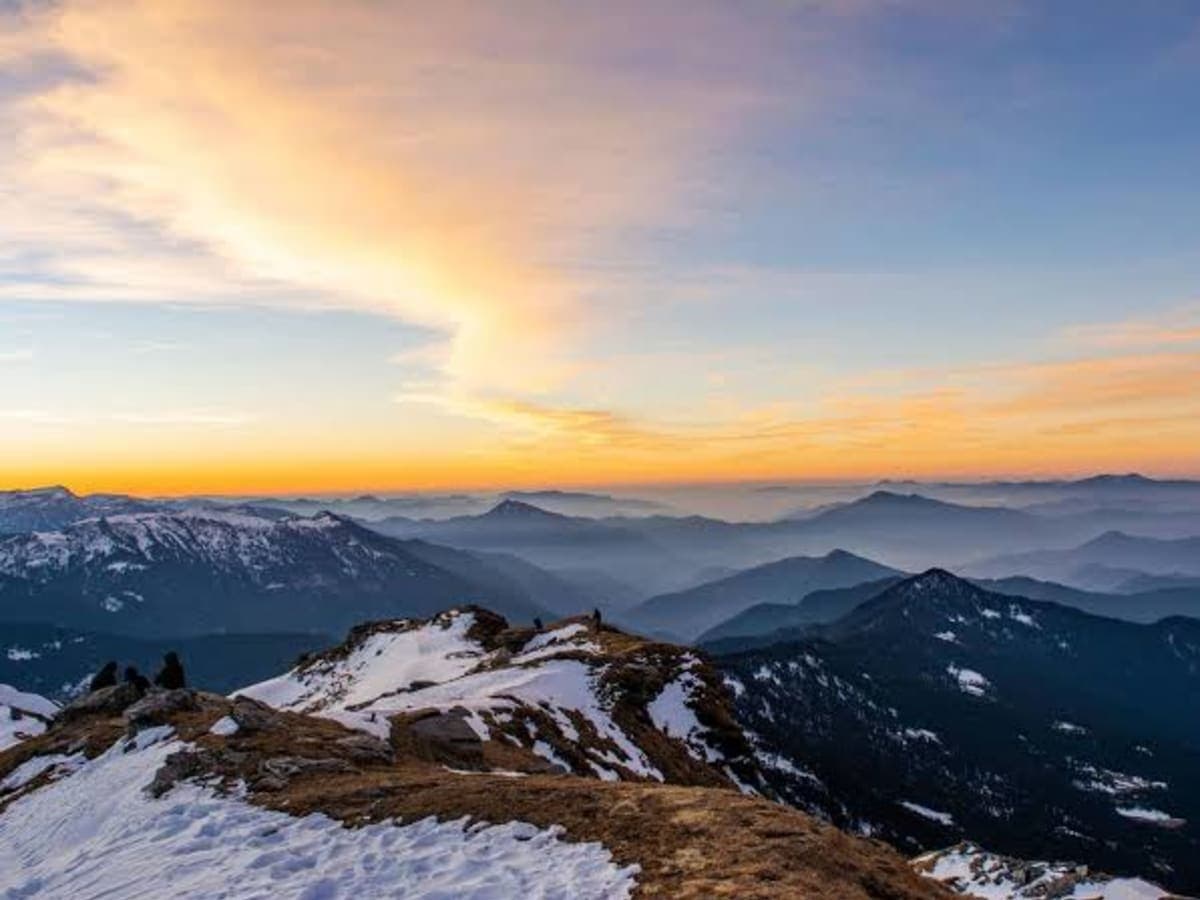
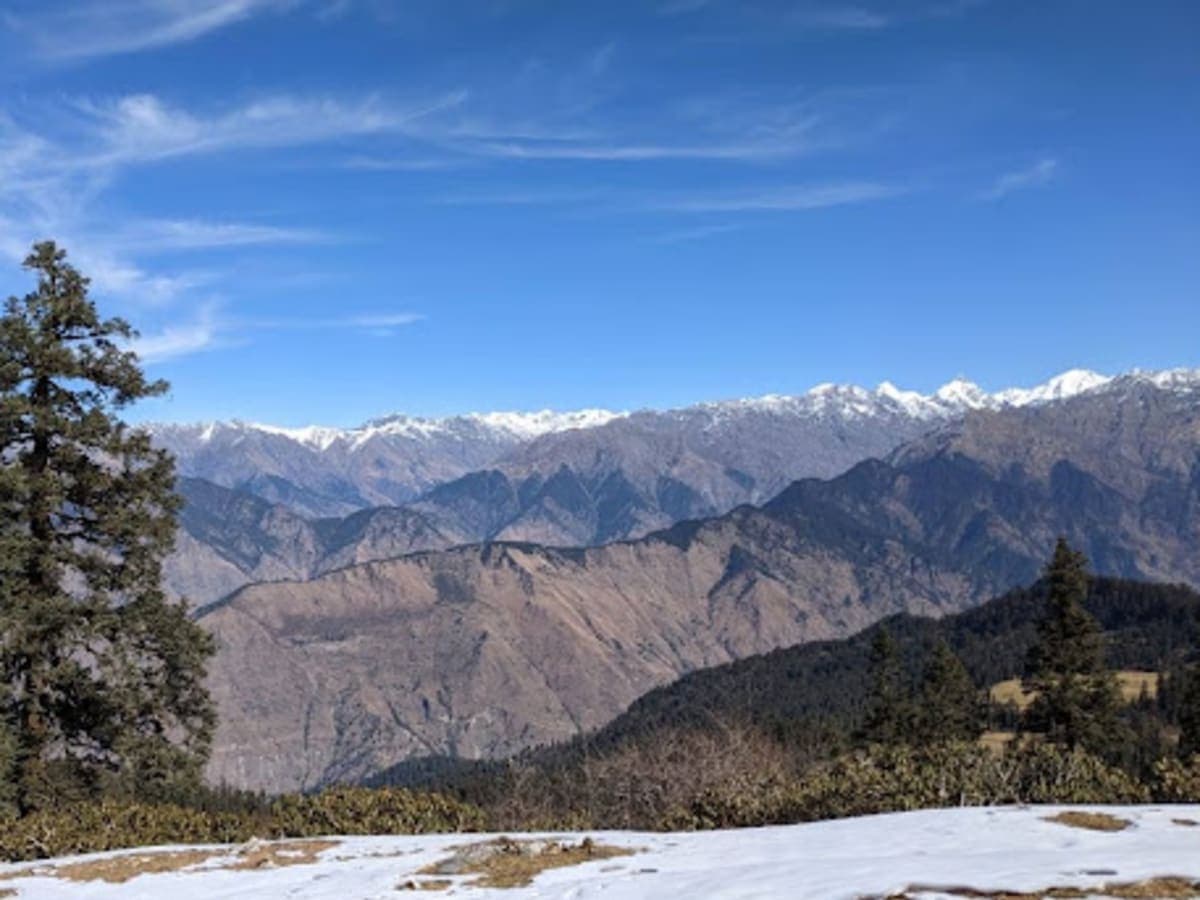
A classic winter summit trek through snow-laden pine forests and open clearings, rewarded with a sweeping Himalayan sunrise.
Runs in
- Jan
- Feb
- Mar
Highlights
- Snow-covered trails during winter
- Dense pine, oak, and cedar forests
- Spectacular Himalayan sunrise
- Beginner-friendly Himalayan summit trek
- 360° summit views
- Rich Garhwali culture and hospitality
Day-by-day itinerary
- 1
Day 1
Day 1: Dehradun to Sankri
Drive Distance: 190–200 km Driving Time: 8–10 Hours Altitude: 1,950 m (6,400 ft) Your journey begins from Dehradun in the early morning. Drive through the picturesque towns of Mussoorie, Purola, Mori, and Netwar while enjoying the scenic beauty of the Yamuna and Tons River valleys. The winding mountain roads, charming villages, apple orchards, and dense pine forests make this drive one of the most beautiful routes in Uttarakhand. Upon arrival at Sankri, complete the check-in formalities and attend a trek briefing by your Trek Leader. Spend the evening exploring the peaceful Himalayan village and preparing for the adventure ahead. Inclusion- Accommodation Guest House / Homestay Meals Included Dinner
- 2
Day 2
Day 2: Sankri to Juda Ka Talab
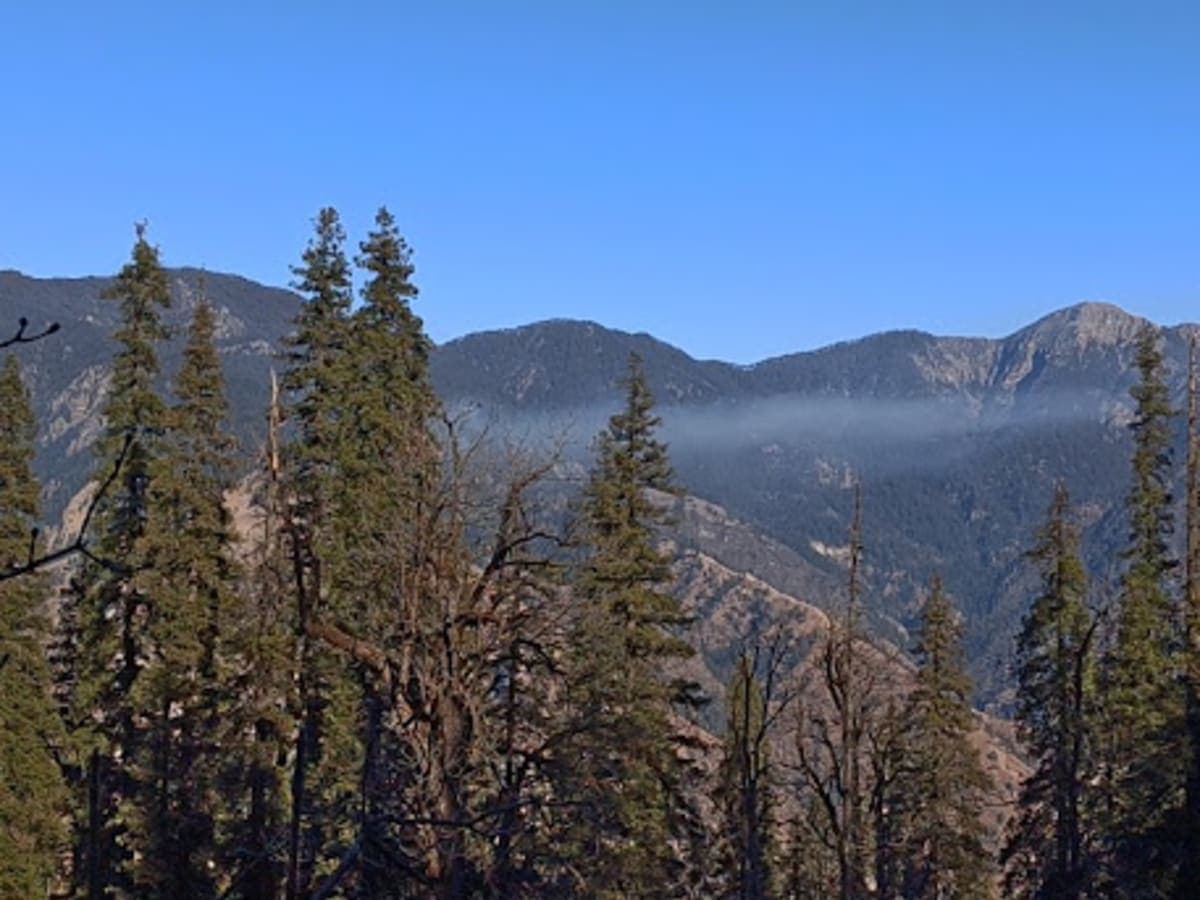
Trek Distance: 4–5 km Trek Duration: 4–5 Hours Altitude: 2,700 m (8,900 ft) After breakfast, begin your trek through dense forests of pine, oak, maple, and cedar trees. The trail gradually ascends while offering stunning views of snow-covered peaks and charming clearings. After a comfortable trek, reach Juda Ka Talab, a beautiful alpine lake surrounded by thick forests. During winter, the lake freezes completely, creating a magical camping destination. Spend the evening relaxing around the campsite while enjoying breathtaking sunset views. Highlights Dense pine forests Frozen Juda Ka Talab (Winter) Beautiful forest trail Snow-covered campsites Peaceful Himalayan surroundings Accommodation Alpine Camping Tent Meals Included Breakfast, Lunch, Evening Snacks & Dinner
- 3
Day 3
Day 3: Juda Ka Talab to Kedarkantha Base Camp
Trek Distance: 3–4 km Trek Duration: 3–4 Hours Altitude: 3,400 m (11,200 ft) Today's trek is shorter but involves a steady ascent through snowfields and alpine meadows. As you gain altitude, the forest gradually opens up to reveal spectacular views of the surrounding Himalayan ranges. Reach Kedarkantha Base Camp by afternoon. The campsite offers panoramic views of famous Himalayan peaks including Swargarohini, Bandarpoonch, Black Peak, and Ranglana. Spend the evening enjoying the sunset and prepare for the early morning summit climb. Highlights Snow-covered alpine meadows Himalayan mountain views Sunset at Base Camp Stargazing under clear skies Accommodation Alpine Camping Tent Meals Included Breakfast, Lunch, Evening Snacks & Dinner
- 4
Day 4
Day 4: Kedarkantha Summit (3,810 m) and Descend to Sankri
Trek Distance: 10–12 km Trek Duration: 7–9 Hours Wake up around 2:00–3:00 AM and begin the summit climb under a sky full of stars. Using headlamps, trek through snow-covered trails to reach the Kedarkantha Summit before sunrise. The summit rewards you with one of the finest 360-degree panoramic views in the Indian Himalayas. On a clear day, you can witness majestic peaks including: Swargarohini Bandarpoonch Black Peak (Kala Nag) Gangotri Range Yamunotri Range Har Ki Dun Valley After spending quality time at the summit for photography and relaxation, descend via the same route to Sankri. Highlights Sunrise from Kedarkantha Summit 360° Himalayan panorama Snow trekking experience Spectacular summit photography Long scenic descent Accommodation Guest House / Homestay Meals Included Breakfast, Packed Lunch & Dinner
- 5
Day 5
Day 5: Sankri to Dehradun
Drive Distance: 190–200 km Driving Time: 8–10 Hours After breakfast, bid farewell to the mountains and begin your drive back to Dehradun. Relive the unforgettable memories of the trek while passing through beautiful valleys, rivers, and mountain villages. Reach Dehradun by evening, marking the end of an incredible Himalayan adventure. Meals Included Breakfast
What’s included
Transportation from Dehradun/Rishikesh to the trek starting point and back.
Camping/tent accommodation during the trek.
Breakfast, lunch and dinner during the trek.
Experienced trek leader/guide throughout the trek.
All required forest/trek permits and entry fees.
Tent, sleeping mat and basic camping equipment.
Basic first-aid support during the trek.
What’s excluded
excluded
Snacks, beverages, shopping and other personal expenses.
Trekking shoes, jackets, backpacks, trekking poles and other personal gear.
Travel/medical insurance unless specifically mentioned as included.
Any expenses related to medical emergencies or evacuation.
Meals and refreshments during transportation, unless mentioned in inclusions.
Any service or expense not specifically mentioned under "What's Included."
Best time to visit
When to plan this trek, and what the mountain is like then.
1. March – June (Spring & Summer)
Description: Pleasant weather with clear mountain views and comfortable temperatures. The trail is mostly dry and ideal for trekking, sightseeing and beginners.
2. July – September (Monsoon)
Description: Lush green landscapes, fresh mountain air and beautiful waterfalls. Expect occasional rain and slippery trails, so proper rain gear and trekking shoes are recommended.
3. October – November (Autumn)
Description: One of the best periods for trekking, with clear skies, pleasant temperatures and excellent Himalayan views. Ideal for photography and scenic experiences.
4. December – February (Winter)
Description: Cold and peaceful winter conditions. Higher areas may receive snowfall, making the trek especially scenic. Warm clothing, proper trekking shoes and winter gear are recommended.
Fitness & preparation
What to be able to do before you join, and how to get there.
1. Recommended Fitness Level
Description: A moderate level of fitness is recommended. You should be comfortable walking for 4–6 hours and covering around 8–12 km in a day.
2. Walking & Cardio Training
Description: Start regular walking, jogging or cycling at least 3–4 weeks before the trek. Gradually increase your walking distance and include uphill or stair climbing practice.
3. Strength & Endurance
Description: Focus on strengthening your legs and core with squats, lunges, step-ups and planks. Regular cardio and strength training will help improve stamina and reduce fatigue.
4. Trekking Experience
Description: Previous trekking experience is helpful but not mandatory for most beginners. Follow the trek leader's instructions and maintain a comfortable pace throughout the trek.
5. Acclimatisation & Rest
Description: Stay well hydrated, eat properly and take adequate rest. Allow your body time to adjust to altitude, especially on high-altitude treks.
What to carry
Everything you’ll want with you, grouped by kind.
Clothing
- Quick-dry T-shirts
- Trekking pants
- Warm jacket / fleece
- Thermal wear for cold-weather treks
- Rain jacket / poncho
- Extra socks
- Gloves
- Cap / sun hat
Footwear
- Good-quality trekking shoes with grip
- Comfortable slippers/sandals
- Extra shoelaces
Personal Essentials
- Sunscreen
- Sunglasses
- Lip balm
- Personal toiletries
- Hand sanitizer
- Tissue / wet wipes
- Small towel
- Water bottle
Documents
- Government-issued ID
- Emergency contact details
- Booking confirmation
- Required permits/documents, if applicable
Health & First Aid
- Personal medicines
- Basic first-aid supplies
- ORS/electrolytes
- Personal medical prescriptions, if required
Trekking Gear
- Backpack (30–50 L)
- Headlamp/torch with extra batteries
- Trekking poles
- Water bottle/hydration pack
- Power bank
- Small backpack rain cover
Optional ItemsOptional Items
- Camera
- Binoculars
- Walking stick
- Energy bars/dry fruits
- Small notebook and pen
Safety & emergencies
How this trek is run safely, and what happens if something goes wrong.
1. First Aid & Medical Support
Description: A basic first-aid kit is carried during the trek. The trek leader provides basic assistance in case of minor injuries or illness.
2. Emergency Procedure
Description: In case of an emergency, the trek leader will assess the situation and coordinate appropriate assistance, evacuation or medical support when required.
3. Altitude Awareness
Description: On high-altitude treks, participants should stay hydrated, maintain a comfortable pace and report symptoms such as headache, dizziness, nausea or unusual breathlessness to the trek leader immediately.
4. Trek Leader Support
Description: An experienced trek leader will accompany the group and guide participants regarding trail conditions, weather, pace and basic safety procedures.
5. Weather & Trail Safety
Description: Trekking activities may be adjusted or modified depending on weather, trail conditions and local safety conditions. Participants are expected to follow the trek leader's instructions at all times.
6. Emergency Evacuation
Description: If evacuation becomes necessary, the trek team will coordinate the available local emergency support. Any evacuation or medical expenses not covered by the package will be borne by the participant.
Weather right now
A live 5-day forecast, to read alongside the seasonal guidance above.
Cancellations
Cancellation terms and any deductions apply to every booking. Please read them before you pay.
Read the cancellation policyFrequently asked questions
The things people ask us most about this trek.
1. Do I need prior trekking experience?
No, prior trekking experience is not required. Kedarkantha is suitable for beginners with a reasonable level of fitness. Regular walking and basic cardio training before the trek will help.
2. What is the best time to do the Kedarkantha Trek?
Kedarkantha is especially popular from December to April for its snow-covered trails and winter scenery. The exact snow conditions depend on weather and snowfall.
3. How difficult is the Kedarkantha Trek?
Kedarkantha is considered a moderate-level trek. It requires good stamina because of uphill walking, cold weather and high-altitude conditions.
4. What is the highest altitude of Kedarkantha?
The Kedarkantha summit is approximately 3,810 metres (12,500 feet) above sea level.
5. How many days does the Kedarkantha Trek take?
The trek usually takes around 4–6 days depending on the selected itinerary, weather conditions and group movement.
6. Is Kedarkantha suitable for beginners?
Yes. Kedarkantha is one of the popular Himalayan treks for beginners, provided you are physically fit and properly prepared for cold and high-altitude conditions.
7. What should I carry for the Kedarkantha Trek?
Carry warm layers, a waterproof jacket, good trekking shoes, gloves, a cap, sunglasses, sunscreen, a headlamp, a water bottle, personal medicines and other essential trekking gear.
8. Will there be snow during the trek?
During the winter season, snow is commonly found on the Kedarkantha trail. However, snowfall and snow conditions vary each season depending on the weather.
9. Is accommodation included in the package?
Yes, accommodation during the trek is included as mentioned in the package inclusions. Depending on the itinerary, accommodation may be provided in camps or other designated stays.
10. What happens in case of bad weather?
Safety is our priority. If weather or trail conditions become unsafe, the trek leader may modify the itinerary, delay the trek or take other necessary safety measures.
11. Is food included during the trek?
Yes, meals mentioned in the package inclusions are provided during the trek. Please check the specific package details for the exact meals covered.
12. Can I join the trek solo?
Yes, solo travellers are welcome. You can join our scheduled group departures and trek with other participants under the guidance of our trek team.
Request to Book
No dates are open for booking right now. Tell us when you'd like to go and we'll let you know the moment a Kedarkantha batch opens.
Other treks you might like
More routes we run, starting with others in Uttarkashi, Uttarakhand.
 ModeratePopular
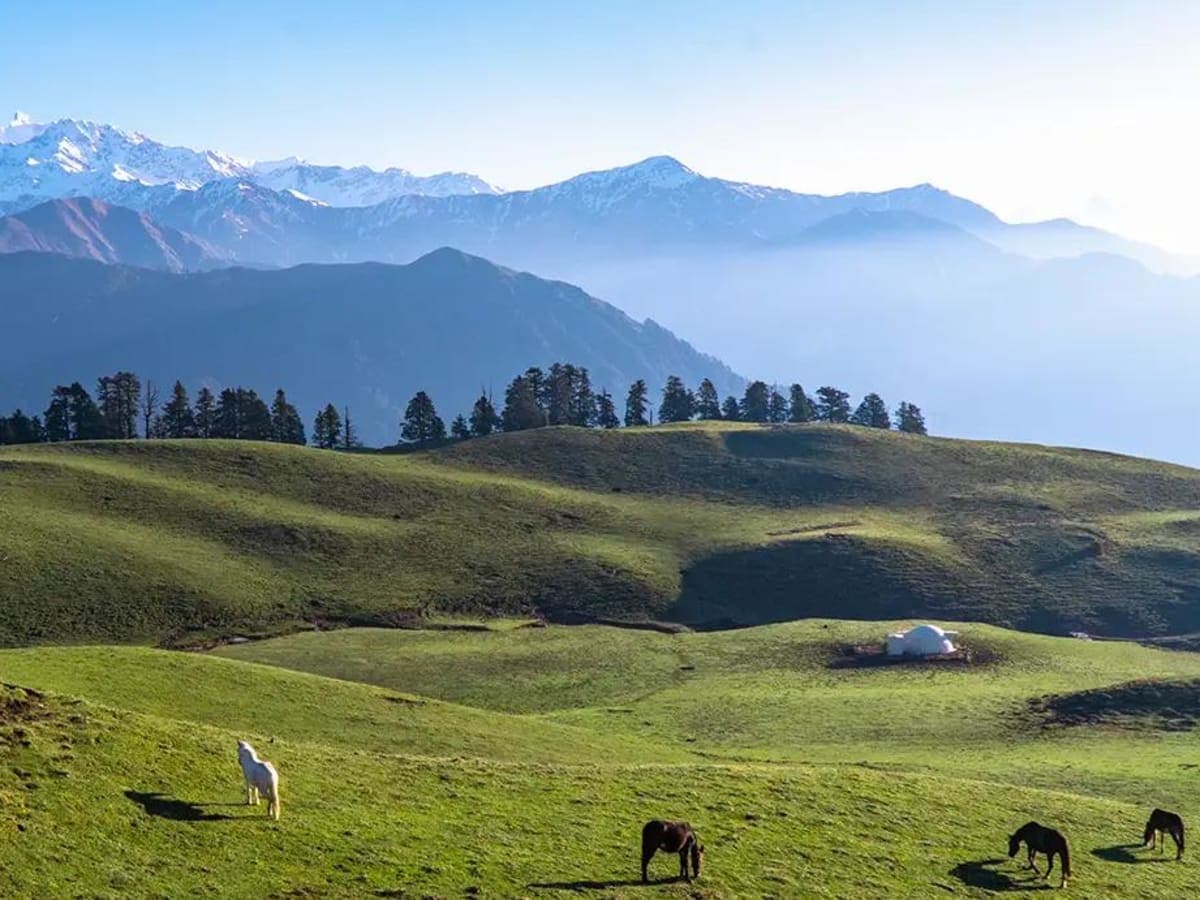
Dayara Bugyal
Uttarkashi, Uttarakhand
Dayara Bugyal is one of Uttarakhand's most beautiful alpine meadow treks. The trail takes you through dense forests, peaceful mountain villages and vast green meadows with spectacular Himalayan views.
- Duration
- 4 days
- Max altitude
- 12,000 ft
- Distance
- 20 km
₹7,999per person
View details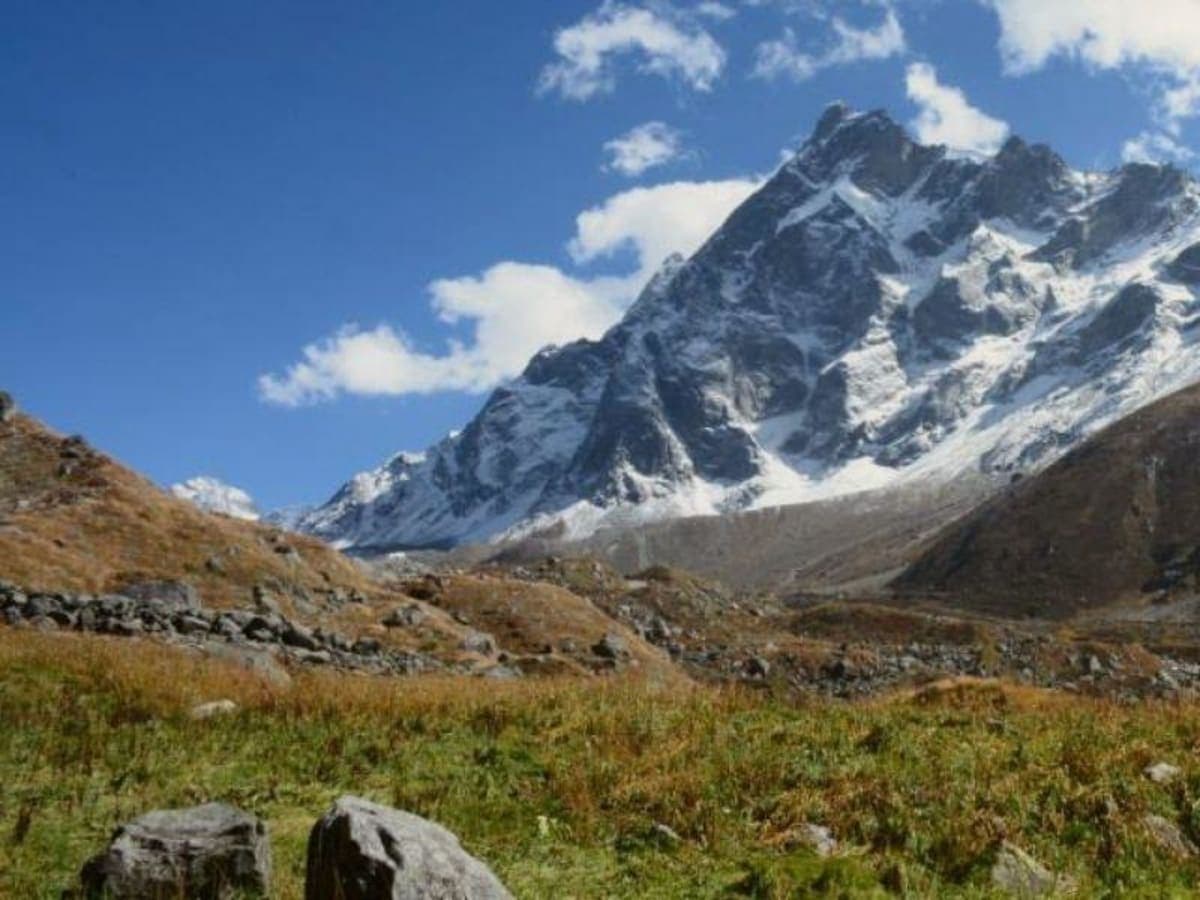 Moderate
Har Ki Dun
Uttarkashi, Uttarakhand
Har Ki Dun Trek is a beautiful Himalayan journey through peaceful forests, traditional mountain villages, rivers, and open valleys. The trail leads to the stunning Har Ki Dun Valley, surrounded by snow-covered peaks and beautiful landscapes. With its mix of nature, local culture, adventure, and mountain views, it is a perfect trek for anyone looking to experience the peaceful side of the Himalayas.
- Duration
- 7 days
- Max altitude
- 11,670 ft
₹10,999per person
View details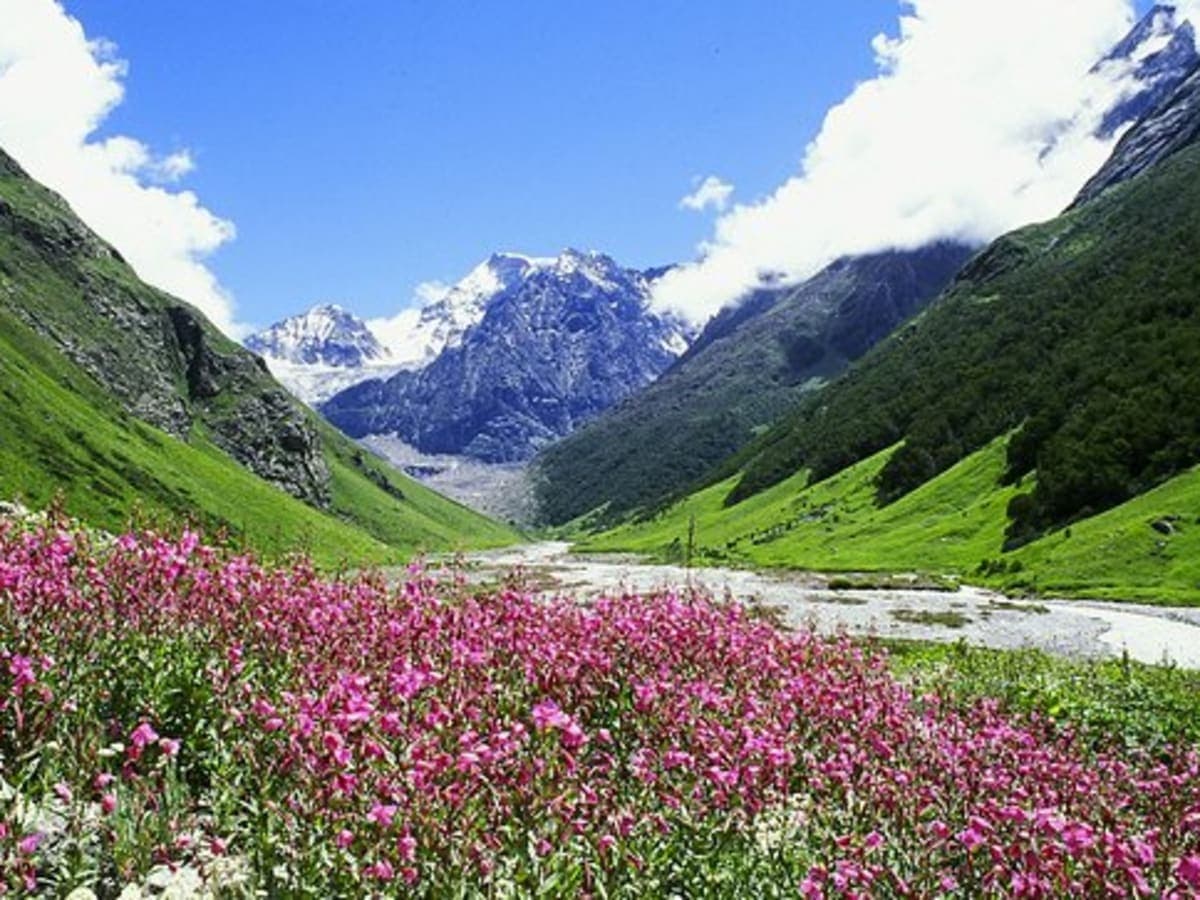 ModeratePopular
Valley of Flowers
Chamoli, Uttarakhand
The Valley of Flowers & Hemkund Sahib Trek is one of the most beautiful monsoon treks in the Indian Himalayas. Located in the Chamoli district of Uttarakhand, this UNESCO World Heritage Site is famous for its vibrant alpine flowers, breathtaking mountain landscapes, glaciers, waterfalls, and rare Himalayan wildlife. The trek also includes a visit to the sacred Hemkund Sahib Gurudwara, situated at an altitude of 4,329 meters (14,200 ft) beside a pristine glacial lake. This journey perfectly combines natural beauty, adventure, and spirituality.
- Duration
- 6 days
- Max altitude
- 14,100 ft
₹8,499per person
View details